
Office Phone Number: (832) 644-8930
New Patient Appointments: (346) 662-1220
Choosing Better Snacks with These Healthy Tips
Satisfying, mindful, and healthy snacks are the key to calming cravings and boosting energy between meals.
Choosing healthy snacks may be challenging for almost anyone trying to manage weight.
Although snacks have developed a bad image, snacks can be essential to your diet.
Snacks can provide energy in the middle of the day or when you are exercising. A healthy snack between meals may also decrease hunger and prevent overeating at mealtime.
There are many snacks; not all are nutritious or will help you control your weight. Limit the unhealthy snacks you take into your house. If they are unavailable in your home, you are more likely to make better choices when choosing at home.
Let us get one thing straight: snacking is okay. What is wrong is eating frequent, brainless, thoughtless, high-sugar, nutrient-deficient snacks that do nothing to improve your health, mood, or energy.
But more broadly, the fact that you need a snack or two between meals does not make you frail, weak, or unhealthy. Ultimately, it makes you an average person with a normal appetite.
Snacks are necessary, and most nutritionists recommend them to keep you focused and fed, stable and satisfied, so you can survive busy days and thrive every day.
Nevertheless, as with anything, there is an art to choosing better snacks and healthy snacking: finding healthy foods that soothe your hunger, reward you with powerful nutrients, and motivate you to face whatever the day brings.
There is absolutely nothing wrong with snacking. The type of food you eat can help you either maintain your mental clarity, mood, and metabolism or harm you.
Snacking also allows to include nutrients or foods missing from previous meals. Individuals eating one or two snacks between meals consume more nutrients, such as fiber, calcium, and vitamin C, than those who do not eat snacks.
In other terms, we do not need to stop eating between meals; we must rethink what we eat and how we approach food. Can you see the difference? It is about being smart, choosing the best snacks, and making everything you eat count.
Snacks can be good; focus on eating whole, nutritious food and avoid processed snacks full of simple sugars.
Next, we will enlist some healthy tips and recommendations from nutritionists for choosing better snacks for a healthy life.
–CHOOSE BETTER SNACKS
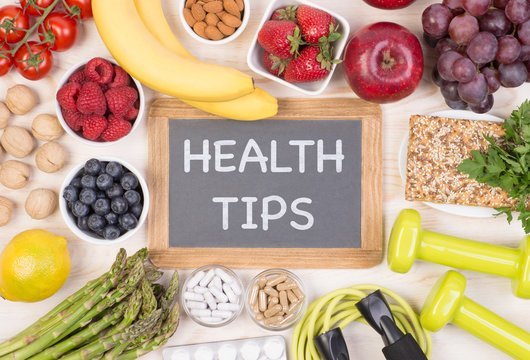
Vegetables are low-fat, low-calorie, and naturally filling snacks. They are high in potassium and fiber and may help reduce the risk of various health conditions. Vegetable-based snacks may include the following:
FRUIT-BASED SNACKS
Choosing fruit-based snacks will offer a nutritious option to curb your sweet tooth. You do not need to pack them; fruits are easy to take on the go and are ideal for busy individuals. Fruit-based snacks may include the following:
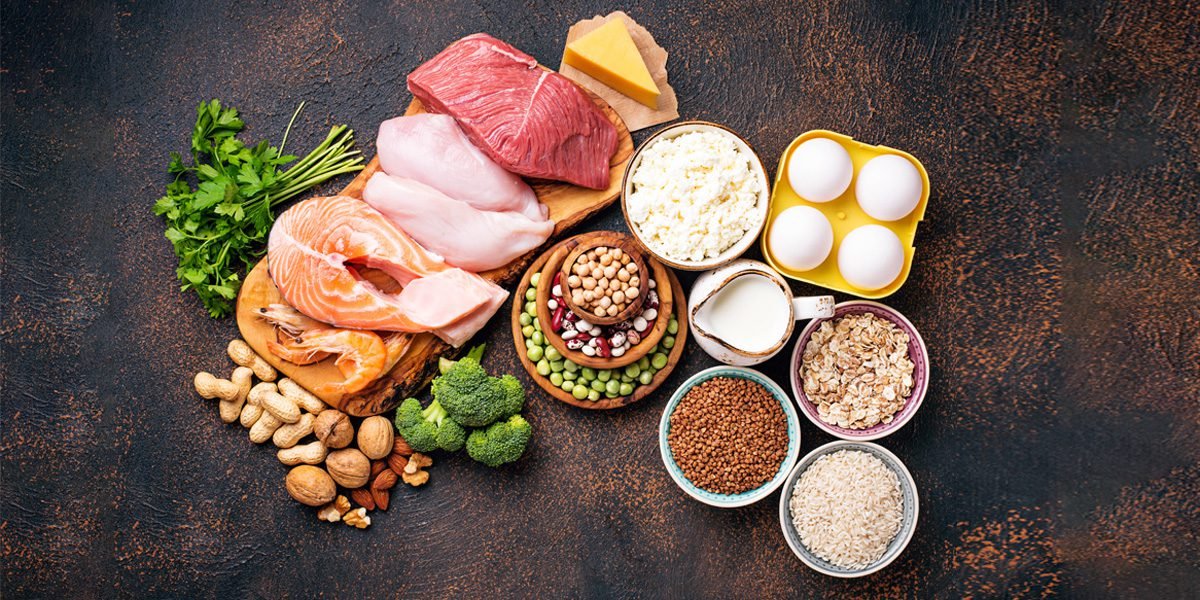
Choose protein-rich snacks. Protein is an essential element of healthy eating. It works to build muscle, bones, and tissue, and it slows digestion, which keeps you fuller longer. Protein-rich foods include chicken, fish, legumes, beans, nuts, whole grains, and kale. Protein-rich snacks may consist of the following:
Choose snacks high in fiber. Among many health advantages, fiber-based snacks are very filling in small amounts. Fiber-rich foods involve the following:
Snacks high in fiber may also include the following:
Do not exclude sweet snacks. Healthy does not mean any sweets. If you love dessert, be sure to incorporate something sweet. Some healthy ideas may include the following:
–LIMIT CALORIES
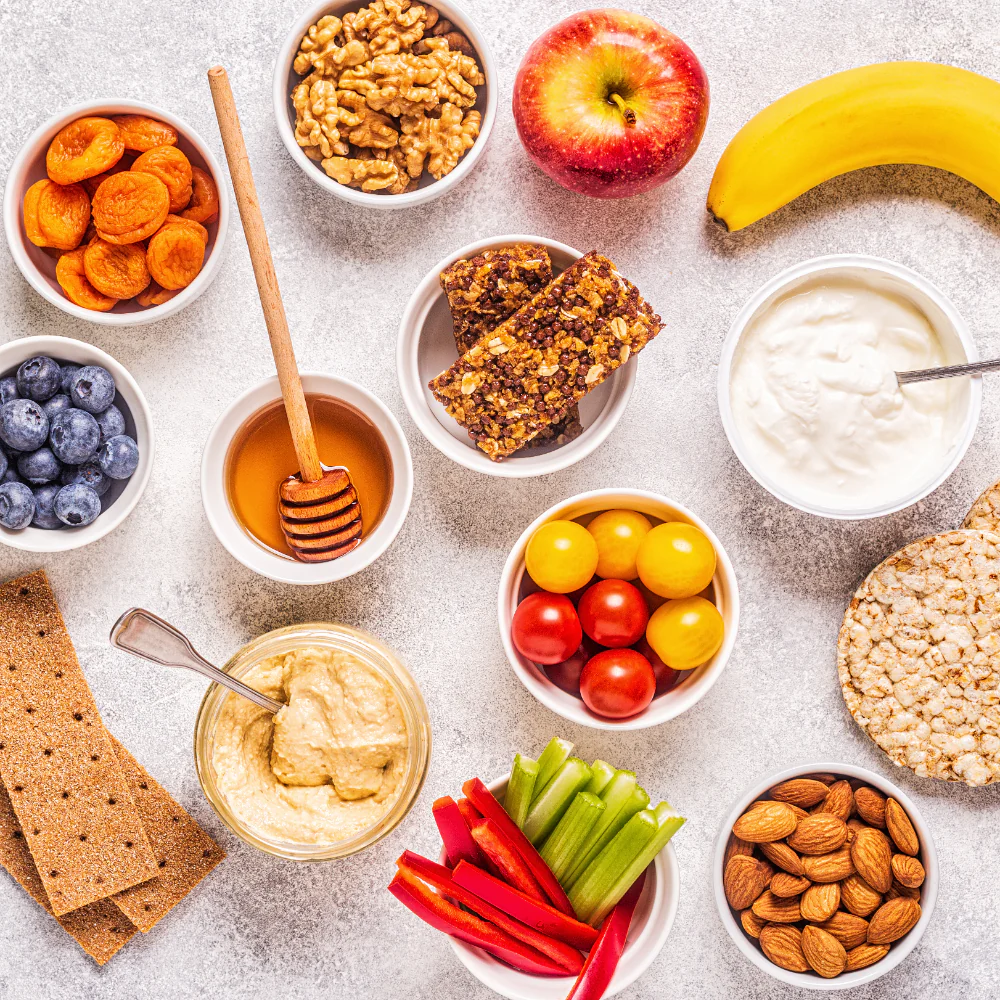
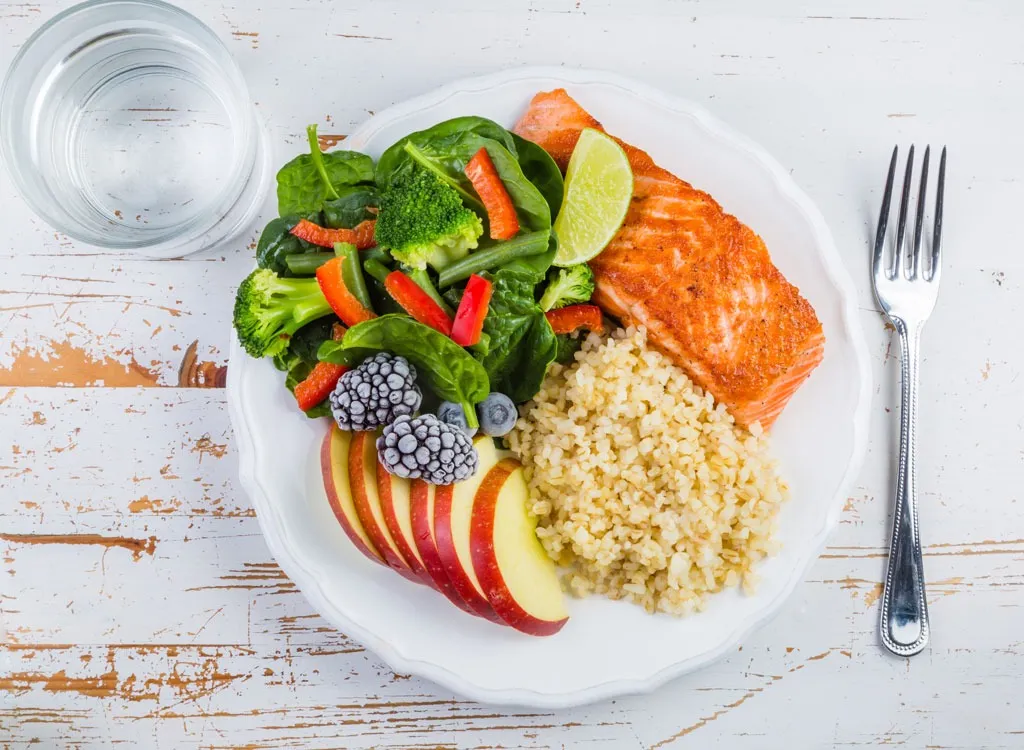
Too much may be harmful; overeating food is unhealthy. Instead, choose snacks in smaller portions that have a significant impact. Snacks rich in fiber and protein are more filling and have fewer calories.
Processed snacks contain empty calories high in refined sugar, flour, sodium, and fat. They may also lead to fat gain, fatigue, type 2 diabetes, and food addiction.
Sodas, juices, and smoothies have tons of sugar. Exclude or limit soda. Buy or make all-natural juice that has no added sugar. Try making your smoothies by blending healthy ingredients such as the following: blueberries, spinach, bananas, strawberries, peanut butter, oatmeal, and almond milk.
Enjoying your sweets and healthy, hearty foods reduces your overall sugar intake. Trail mixes with chocolate chips, yogurt, chocolate-covered nuts, or mixed berries with a pinch of brown sugar or natural honey are great choices.
–SNACK SHOPPING
Write a list, eliminate unhealthy snacks, and then incorporate the healthy snacks you want. Then, do your best to adhere to the list while keeping an open mind to try new things.
Unfortunately, organic, sugar-free, and low-fat items are frequently more costly. If you depend on fresh fruits and vegetables, you may shop more regularly and have to replenish food in larger quantities.
The outer edge of the grocery store is where fresh fruits, vegetables, fresh grains, and dairy products are. The inner corridors hold processed and packaged foods, like cookies, chips, and frozen snacks. Health food stores offer healthy alternatives throughout the store so that you can wander around without obstacles.
If you want a packaged snack, read the ingredients on the label. A label claiming all-natural ingredients only sometimes means it is healthy. A frequent example is all-natural fruit juice, which is high in sugar.
Organic may be better, but it can still be an unneeded and overindulgent snack. Selecting cookies just because they are organic will do nothing to improve your snacking habits. Stick to healthy food choices and refrain from buying what you can easily do without.
–UNDERSTAND WHY YOU ARE SNACKING
Most of the time, individuals snack out of boredom or simply out of a need to do something with their hands. Simply realizing your motivation for opening the pantry or refrigerator is an excellent first step to becoming a healthier snack eater.
Will a snack solve the problem? If so, that is great; continue with your mid-day snack. Or is that snack an automatic reflex or a pleasant temporary distraction to avoid an unpleasant task? If so, stop and think again.
Next time, before you have that snack, stop and ask yourself if you need the snack or if you are just bored or anxious.
–LISTEN TO YOUR HUNGER SIGNALS
Understanding when to snack is a frequent puzzle. A wise common rule: do not snack just because it is part of your daily routine; do it when you are a little hungry. Just because you are used to having a granola bar and coffee at ten o´clock does not mean you need it daily.
Use a scale of one to ten, where one is starving, and ten is filling up. It would be best to have a snack when you are three or four (do not let yourself get to two or one). Many individuals will not hit the three or four hunger mark until about three hours after a meal, but others will hit it sooner. In those cases, do not punish your rumbling stomach; grab a healthy, nutritious snack.
–SOME MORE HEALTHY TIPS
We are Modern Heart and Vascular Institute, a diagnostic and preventative medicine cardiology practice. For more information, contact us.
CARDIOVASCULAR CENTERS IN HOUSTON, TEXAS
Modern Heart and Vascular, a preventive cardiology medical practice, has several offices around Houston. We have locations in Humble, Cleveland, The Woodlands, Katy, and Livingston.
We are Modern Heart and Vascular Institute, a diagnostic and preventative medicine cardiology practice.
Every heart has a story… What’s yours?
Book an Appointment Today
At the Modern Heart and Vascular Institute, we offer state-of-the-art cardiovascular care with innovative diagnostic tools and compassionate patient care. Our priority at Modern Heart and Vascular Institute is prevention. We help patients lead healthier lives by avoiding unnecessary procedures and surgeries.
Contact us online to learn more and book an appointment. If you’d like to learn more about our practice, read our providers’ bios.
This article does not provide medical advice. It is intended for informational purposes only. It is not a substitute for professional medical advice, diagnosis, or treatment. If you need cardiovascular care, please call us at 832-644-8930.
Every heart has a story…What’s yours?
Choose your appointment at one of our 7 locations