
Office Phone Number: (832) 644-8930
New Patient Appointments: (346) 662-1220
Your care after surgery starts with a few days in the hospital. Doctors watch over you, manage your pain, and teach you gentle exercises. It’s important to keep your incision area clean and dry to avoid problems. A bit of soreness or itching is normal in the first days.
When you go home, you start a period of six to twelve weeks to get stronger. If you have a medical emergency, call 911 right away. To schedule a visit, call us at 832-644-8930. For more tips on caring for yourself after surgery, check out this resource.
If you’re facing a medical emergency, call 911 right away. To schedule a visit, reach out to our office at 832-644-8930. Most people notice big improvements in six to eight weeks. Starting with short walks and gentle exercises can help your body heal.
Keeping your incision clean is key in the first days. You might feel some pain, so rest and gentle stretching are advised. Drinking plenty of water and moving carefully can also help prevent stiffness.
Gradually increasing your activity is important for building strength. Try walking a bit further each day and eat well. This time is also great to ask your healthcare team about your recovery and learn how to take care of yourself.
Regular check-ups with specialists might include cardiac rehab. You might go to these sessions up to three times a week for months. Setting realistic goals helps you make steady progress and lowers the risk of future problems.
Keeping the surgical site clean is key to avoiding problems. Wash the incision with mild soap and dry it gently. A clean area helps prevent infections that could affect pain management.
It’s normal to feel tingling or stiffness at the incision. But, regular care can help reduce pain in the first few weeks.
Don’t overdo it with activities. Stick to light tasks, short walks, and rest. Wearing loose clothes helps protect sensitive skin and reduces irritation. Keeping stress low also aids in healing, making lifestyle changes important.
If you face a medical emergency, call 911 right away. To schedule an appointment, call our office at 832-644-8930.

| Key Focus | Reason |
|---|---|
| Gentle Cleansing | Prevents infection |
| Pain Management | Reduces discomfort |
| Lifestyle Changes | Improves healing capability |
Recovering from heart surgery needs a good plan. Cardiac rehab includes three weekly sessions. You’ll do exercises, learn about health, and get medical checks.
Teams tailor rehab to fit your needs. You’ll do workouts, learn about diet, and manage stress. The American Heart Association helps make sure you’re safe and healthy.
Staying active and getting support can help you recover faster.
| Element | Description | Benefit |
|---|---|---|
| Exercise Sessions | Monitored walking, cycling, or light resistance | Strengthens cardiovascular system |
| Heart Health Education | Diet advice and stress relief techniques | Reduces risks and supports daily life |
| Medical Tracking | Regular check-ins and vital sign monitoring | Helps detect early concerns |
It’s important to have ways to cope with feelings during recovery. Family, friends, and groups can offer support. Sharing your journey can help you stay motivated.
If you need urgent medical help, call 911. To schedule a visit, call us at 832-644-8930.
Pain can last for a while after a big procedure. It often shows up around cuts or where tissue was taken. A good mix helps keep pain in check and might lower the risk of complications. If you’re facing a medical emergency, call 911 right away. To set up an appointment, call our office at 832-644-8930.
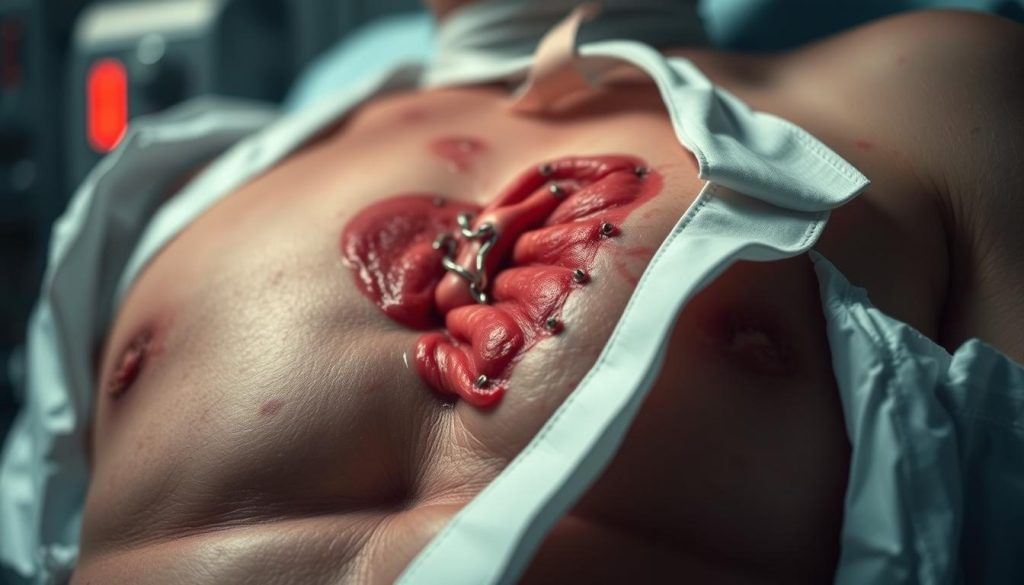
Doctors often give pain meds, and it’s key to take them as told. If you have side effects or pain isn’t going away, talk to your doctor. Gentle stretches or deep breathing can also help with healing, alongside medicine.
| Approach | Benefit |
|---|---|
| Short Walks | Promote circulation and reduce stiffness |
| Relaxing Music | Calms stress and distracts from discomfort |
| Doctor-Prescribed Medication | Targets moderate to severe pain |
Listening to your body helps make changes in treatment plans. A quick call to your healthcare team can fix issues before they get worse. Sticking to your plan helps avoid setbacks and keeps complications low.
Eating balanced meals and staying hydrated helps your body heal faster. Eating smaller meals often keeps your energy up. Foods like lean proteins, fresh veggies, and whole grains are good for your heart.
Choosing healthy foods can become a lasting habit. It helps control cholesterol and keeps you energized. Adding regular, gentle exercises to your routine can also help.
Here’s a quick guide to keep your meals balanced:
| Nutrient | Benefit | Example Foods |
|---|---|---|
| Protein | Enhances tissue repair | Chicken, fish, beans |
| Vitamins | Strengthen immune defense | Citrus fruits, spinach |
| Healthy Fats | Promote heart wellness | Avocados, nuts, olive oil |
| Complex Carbs | Maintain stable energy | Oats, quinoa, sweet potatoes |
If you’re facing a medical emergency, call 911 right away. To schedule a visit, call us at 832-644-8930.
Recovering from a big surgery needs careful watching of both body and mind changes. Some signs will go away with time. But, some signs mean you need to see a doctor right away.
A little fever is okay, but a high fever over 100°F is a warning. Redness or fluid around the cut is a big concern. Chest pain or feeling like your breastbone is popping is serious.
Feeling down is normal, but if sadness lasts, it’s time to get help. It’s important to notice if you’re feeling really sad or down for a long time.
If swelling or draining doesn’t stop, call your doctor. For emergencies, call 911. To schedule a visit, call us at 832-644-8930. Start with short walks to get back to normal.
It’s okay to feel emotional during this time. But, if sadness lasts, don’t ignore it. Talking to family and doing fun activities can help. If you’re really struggling, consider counseling. Everyone recovers differently.
Warning Signs and Recommended Actions
| Warning Sign | Recommended Action |
|---|---|
| High fever | Consult your healthcare team |
| Incision drainage | Seek evaluation for infection |
| Chest popping | Alert your provider for further testing |
| Unresolved depression | Contact mental health services |
Every person’s recovery from heart surgery is unique. Many patients get back to normal in 6 to 12 weeks with help from healthcare teams. They follow plans that include exercise, healthy food, and emotional support.
Having a good recovery plan means taking care of yourself and talking to your doctors. Eating well and managing stress can help you stay healthy. Friends and family are key in supporting you, helping on tough days.
If you need urgent medical help, call 911 right away. To schedule a visit, call us at 832-644-8930. Getting the right care and staying committed to your plan can lead to feeling better and more confident. Healing is a long journey that goes beyond the hospital. Staying on track with your habits and following medical advice can lead to lasting improvements in your health and life quality.
After heart surgery, you’ll likely spend a week in the hospital. Doctors will watch over you, manage your pain, and start you on gentle exercises. Once you’re home, you’ll need to keep up with care for weeks or months, based on your health and how fast you heal.
Starting with short walks helps your blood flow and reduces stiffness. It also aids in healing. Doctors will guide you on when and how to start exercising, making sure it’s safe and helpful.
To care for your incision, wash it gently with unscented soap and water. Wear loose clothes and watch for any signs of infection. If you see redness or unusual discharge, call your doctor right away.
Cardiac rehab offers supervised exercise, lifestyle education, and medical checks. The American Heart Association says it boosts heart strength and lowers future heart risks.
Managing pain is key to feeling comfortable and healing well. Doctors may give you medicine and suggest breathing exercises and gentle movements. Listening to your body and talking to your doctor about pain helps control it effectively.
Eating a balanced diet with fruits, veggies, whole grains, lean proteins, and healthy fats is best. Aim for small meals to keep your energy up and support heart health, as dietitians from places like the Mayo Clinic recommend.
Watch your incision for signs of infection like redness, swelling, or fluid. If you notice anything odd, tell your doctor right away. Also, be aware of any unusual chest feelings, which could mean your breastbone is not healing right.
You can get support from family, friends, counselors, and support groups. It’s normal to feel anxious or overwhelmed. Sharing your feelings can help you feel better and stay positive during recovery.
Every heart has a story…What’s yours?
Choose your appointment at one of our 7 locations